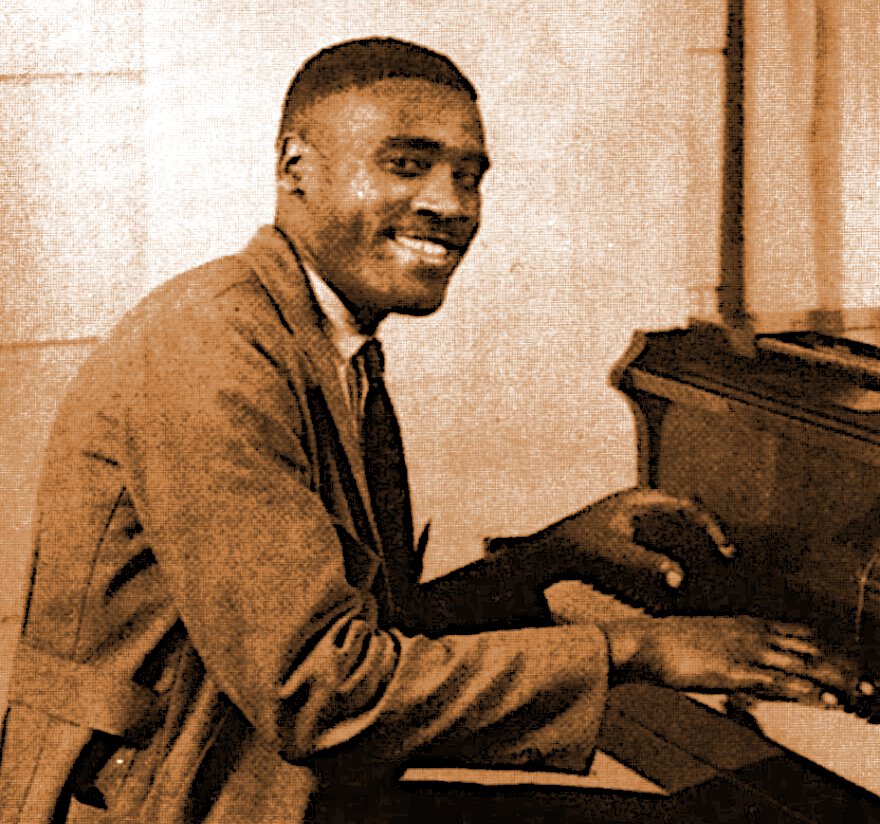
Support this site by searching Amazon.com for Leroy Carr music
Blues Pioneer - Singer - Pianist
Support this site by searching Amazon.com for Leroy Carr music
Leroy Carr (March 27, 1905 – April 29, 1935) was one of the most influential blues musicians
of the early 20th century, known for his smooth vocal delivery, expressive piano style,
and sophisticated songwriting. Born in Nashville, Tennessee, Carr moved with his family
to Indianapolis, Indiana during his youth, a city that would become central to his musical
development and career.
Unlike many of his contemporaries who performed rural or country blues, Carr helped define
a more urban, refined sound. His piano playing featured steady, rolling rhythms paired with
melodic right-hand lines, while his singing was relaxed, conversational, and emotionally
nuanced. This combination made his music more accessible to a wider audience and helped
bridge the gap between traditional blues and the emerging popular music styles of the time.
Carr’s career took off in the late 1920s when he formed a highly successful partnership with
guitarist Scrapper Blackwell. The duo recorded extensively and became one of the most popular
blues acts of their era. Their breakthrough hit, “How Long, How Long Blues,” recorded in 1928,
became a nationwide success and is now regarded as one of the most important blues recordings
of all time. The song’s laid-back groove and relatable themes set a template for countless
blues songs that followed.
Throughout the early 1930s, Carr recorded dozens of songs that showcased his lyrical themes
of love, loss, hardship, and resilience. His music often reflected the realities of urban
African American life during the Great Depression, capturing both personal sorrow and quiet
endurance. Songs like “In the Evening (When the Sun Goes Down)” and “Blues Before Sunrise”
further solidified his reputation as a master of mood and storytelling.
Carr’s influence extended beyond his recordings. His polished style helped lay the groundwork
for future developments in blues, jazz, and rhythm and blues. His approach to phrasing and
melody would later be echoed by artists who brought blues into mainstream popular music.
Despite his musical success, Carr struggled with alcoholism, which ultimately took a toll on
his health. He died prematurely in 1935 at the age of 30. Though his life was brief, his legacy
endured, as his recordings continued to inspire generations of musicians.
Today, Leroy Carr is remembered as a pioneer who transformed the blues into a more urbane and
widely influential art form. His work remains a cornerstone of classic blues and a vital link
in the evolution of American music.
Leroy Carr's style helped shape the future of blues and early jazz-influenced popular music.
His smoother, more melodic approach influenced a wide range of artists.
His work bridged the gap between rural blues traditions and urban sophistication, helping
pave the way for rhythm and blues and modern popular music.
Biography
Notable Songs
Influence